If the photo looks usable, check it before you pay
Use the free preview to screen the current image, then choose the final UK passport photo route only when the source photo is worth keeping.
Hair can cause rejection when it hides key facial features, weakens the outline of the face, or combines with poor lighting to reduce visibility. This page helps users decide whether a quick styling reset is enough or whether the current frame is already too weak to keep.
Hair covering the eyes, face outline, chin or jaw can make a passport photo unreliable. Retake with hair moved away from the face if it blocks the features needed to judge the photo.
Visibility pages work because they solve a specific objection users can immediately understand.
Related guidance: passport photo hair requirements · face guide · background rules · free photo checker
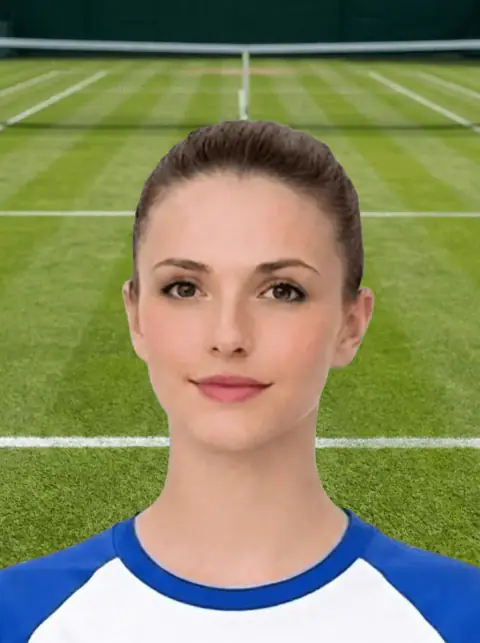
Use the free preview to screen the current image, then choose the final UK passport photo route only when the source photo is worth keeping.
Use this short list to decide whether the current photo is worth continuing with.
Follow this sequence to keep the workflow clear and reduce avoidable mistakes.
Move hair away from the eyes and face.
Use a background that contrasts gently with hair colour.
Avoid strong backlighting that makes hair edges disappear.
Use the checker if the face is clear but background separation is uncertain.
These are the errors most likely to waste time or trigger a preventable rejection.
Hair-related rejection pages should explain when hair is normal appearance and when it blocks identification.
This gives a practical route back to a usable source photo.
Hair-related rejection pages should be practical and avoid giving styling advice beyond photo visibility.
This helps users move to the right diagnostic page.
Hair problems are common but practical. The page now explains whether to retake or continue.
Practical steps help the user avoid repeating the rejection.
Hair-related rejection pages should clarify when hair is acceptable and when it hides the face.
Avoid over-warning while still giving useful guidance.
Give a practical recovery path.
Hair can affect identity checks when it hides the eyes, face outline, chin or cheeks.
Hair obstruction is usually a source-photo issue.
Hair is mainly a problem when it hides key facial features or the outline.
Small setup changes can make the face clearer.
Retake if the original photo lacks visible facial detail.
Hair-related pages support face-visibility authority and family-photo conversion paths.
Use this checklist to decide whether the next step is a retake, a checker pass, or a different output route.
The page now sends users to the safest next step based on whether they are researching rules, checking a source image, or choosing a paid output.
Long-tail impression pages should earn trust by helping users choose the right next step, not by forcing every query into the same sales message.
This decision block helps users avoid paying again for a source photo that is unlikely to work.
Hair does not need to be hidden, but it should not cover the eyes, face outline or important facial features.
If hair blocks the eyes or face outline in the original photo, retaking is safer than attempting to edit it away.
Passport-Photo.co.uk is an independent service. Use these primary sources to verify the relevant passport-photo rules or information rights. Linking to them does not imply government endorsement.
If hair hides the eyes or face, retaking is safer. Editing cannot reliably restore a covered face.
Not always, but the face, eyes and head outline should be clearly visible.
Usually retaking is safer if hair hides the eyes or facial features. Missing or hidden detail cannot be reliably restored.
Yes, as long as it does not cover facial features or make the head outline unclear.
Yes. Eyes and the face area should be clearly visible.
Sometimes, but if hair blends into the background or covers the face, retaking is safer.
Yes. Hair that hides the eyes, face edge, or creates strong shadows can make the photo unsuitable. A cleaner retake is normally better than editing.
Hair should not cover the eyes or make the face outline unclear. If the face edges are hidden, retaking the photo is usually safer.
Yes, but it should not cover the eyes or important facial details, and the face should remain clearly visible.
Heavy editing around hair and face shape is risky. Retaking with hair moved aside is usually safer.
Use the upload flow when you already have a source image, or keep exploring the guides if you still need to fix the setup first.