If the photo looks usable, check it before you pay
Use the free preview to screen the current image, then choose the final UK passport photo route only when the source photo is worth keeping.
Glasses can create problems when they hide the eyes, cause glare, cast shadows or use tinted lenses. The safest source photo is one where both eyes are clear and unobstructed.
Glasses can cause passport photo problems when they create glare, hide the eyes, cast shadows or use tinted lenses. If in doubt, remove them and retake the photo before paying for output.
Short, precise answer pages like this are useful for both AI citation and late-stage conversion because the user is asking one narrow question with real submission risk behind it.
Related guidance: glasses glare checker · passport photo face guide · glasses glare rejection guide
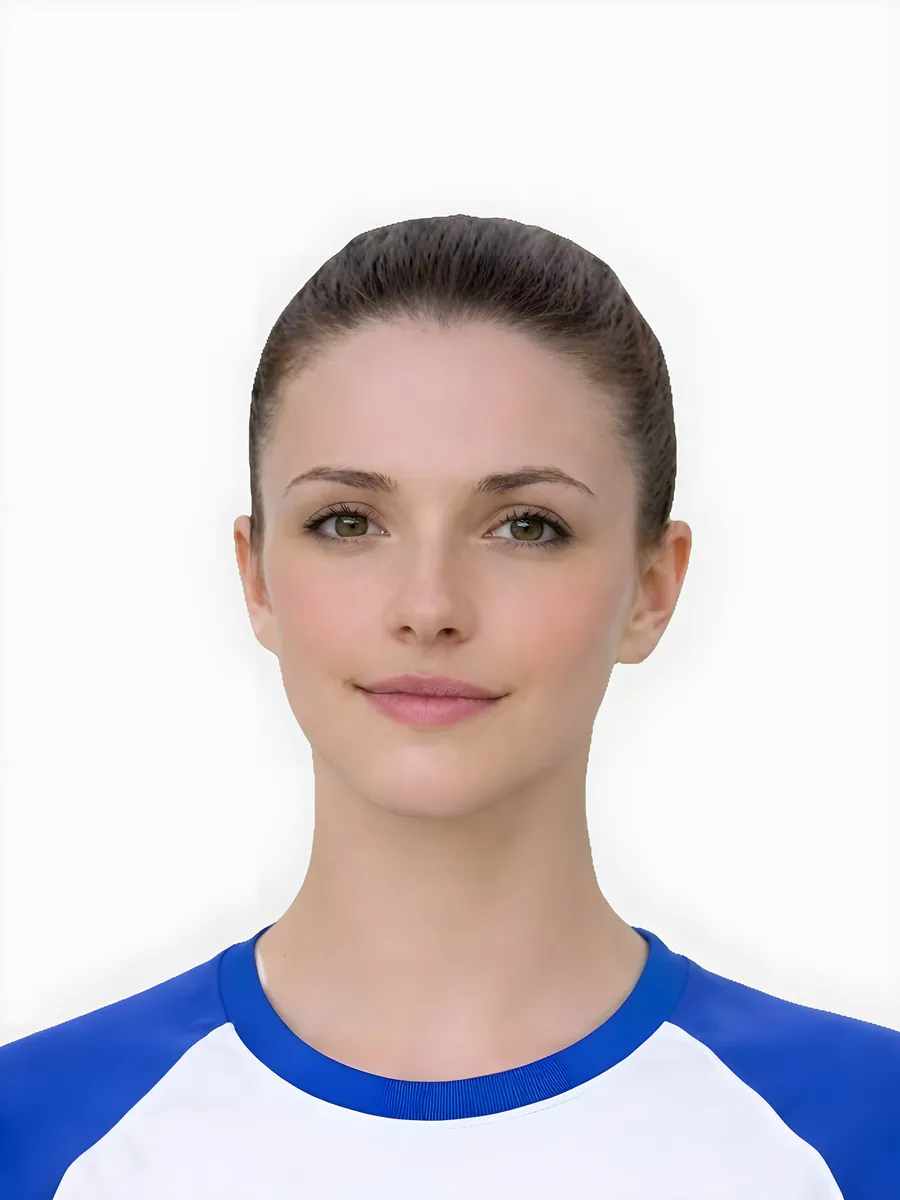
Use the free preview to screen the current image, then choose the final UK passport photo route only when the source photo is worth keeping.
Use this short list to decide whether the current photo is worth continuing with.
Follow this sequence to keep the workflow clear and reduce avoidable mistakes.
Glare and blocked eyes are the main reason this question matters, so start there rather than with the frame style.
A pair of glasses that looks fine in one room can fail immediately under harsher, more directional light.
Keep it only if the face remains fully visible and the glasses are not the dominant visual problem.
If the glasses create uncertainty, a clean retake without them is usually faster than troubleshooting after submission.
These are the errors most likely to waste time or trigger a preventable rejection.
Organic Positions shows this page already has visibility. The answer should be direct and practical because users are usually deciding whether to retake.
Glasses-related pages perform better when they explain reflections, frames and eye visibility rather than only saying yes or no.
Not every glasses photo needs a full retake.
Glare is easier to prevent during capture than to repair later.
Give the user a simple decision threshold.
Users close to checkout need a hard stop rule for glare instead of endless trial-and-error.
This keeps the page useful after the user has answered the immediate visibility question.
Passport-Photo.co.uk is an independent service. Use these primary sources to verify the relevant passport-photo rules or information rights. Linking to them does not imply government endorsement.
Only if they do not create glare or hide the eyes. Clear facial visibility matters more than the glasses themselves.
The main reason is glare or blocked eye detail, which makes the face harder to assess clearly.
If there is any meaningful glare or uncertainty around the eye area, removing them and retaking the photo is usually the safer option.
No. Visibility rules matter for anyone, but glare questions are most commonly asked on adult application pages.
Open the image at full size and inspect both eyes. If glare, lens reflection, or frames make the eyes harder to see, retake without glasses before moving to checkout.
Yes. Once the eyes are clearly visible, use the checker to screen the full frame for background, crop, lighting, and sharpness before paying.
If there is any glare, shadow, lens tint or frame coverage near the eyes, removing glasses is usually the safer source-photo choice.
It can help screen the photo before payment, but if glare clearly hides the eyes, retaking without glasses is usually better.
If glare, tint or frames hide the eyes, removing glasses is usually safer than trying to edit the photo later.
Usually not safely if glare covers the eyes. Retaking in better light is safer.
Glare over the eyes is usually the biggest issue because the eyes must be clearly visible.
The important point is that the eyes must be clearly visible with no glare, shadow, or frame obstruction.
Minor glare may be easier to check, but obvious glare over the eyes usually needs a retake.
If glasses cause glare or hide the eyes, removing them is often safer where practical.
No service should claim to safely invent hidden eye detail. If glare covers the eyes, retake the source photo.
Yes. Use the preview/checker route first, then continue only if the prepared image looks suitable.
Not always, but glare, tinted lenses, shadows, or frames covering the eyes can cause problems. A retake without glasses is often safer.
Move away from direct light, try softer front-facing light, or retake without glasses if glare is still visible.
If the glasses create glare, hide the eyes or use tinted lenses, removing them is usually the safer practical choice.
A checker can help identify the issue, but a strong reflection or hidden eye area usually requires a retake.
Glasses can be acceptable only when the eyes are clearly visible and there is no glare, tint or frame obstruction.
Use the upload flow when you already have a source image, or keep exploring the guides if you still need to fix the setup first.