Digital Photo + Photo Code
Most Popular
£4.99
- HD digital file (JPEG/PNG)
- UK photo code for online applications
- Instant download
- Acceptance guarantee coverage
Use this guide to understand the practical photo decision for this route, what this independent service can help with, and when to check official instructions.
A UK passport photo face guide should help you check whether the face is clear, front-facing and unobstructed, with visible eyes, natural expression and no distracting glare or shadows.
Independent visibility guide based on the published UK passport photo standards. It is designed to clarify face-related checks, not replace official approval.
Related guidance: passport photo head size guide · passport photo hair requirements · glasses glare checker · passport photo checker UK · UK passport photo online · digital passport photo UK
Most Popular
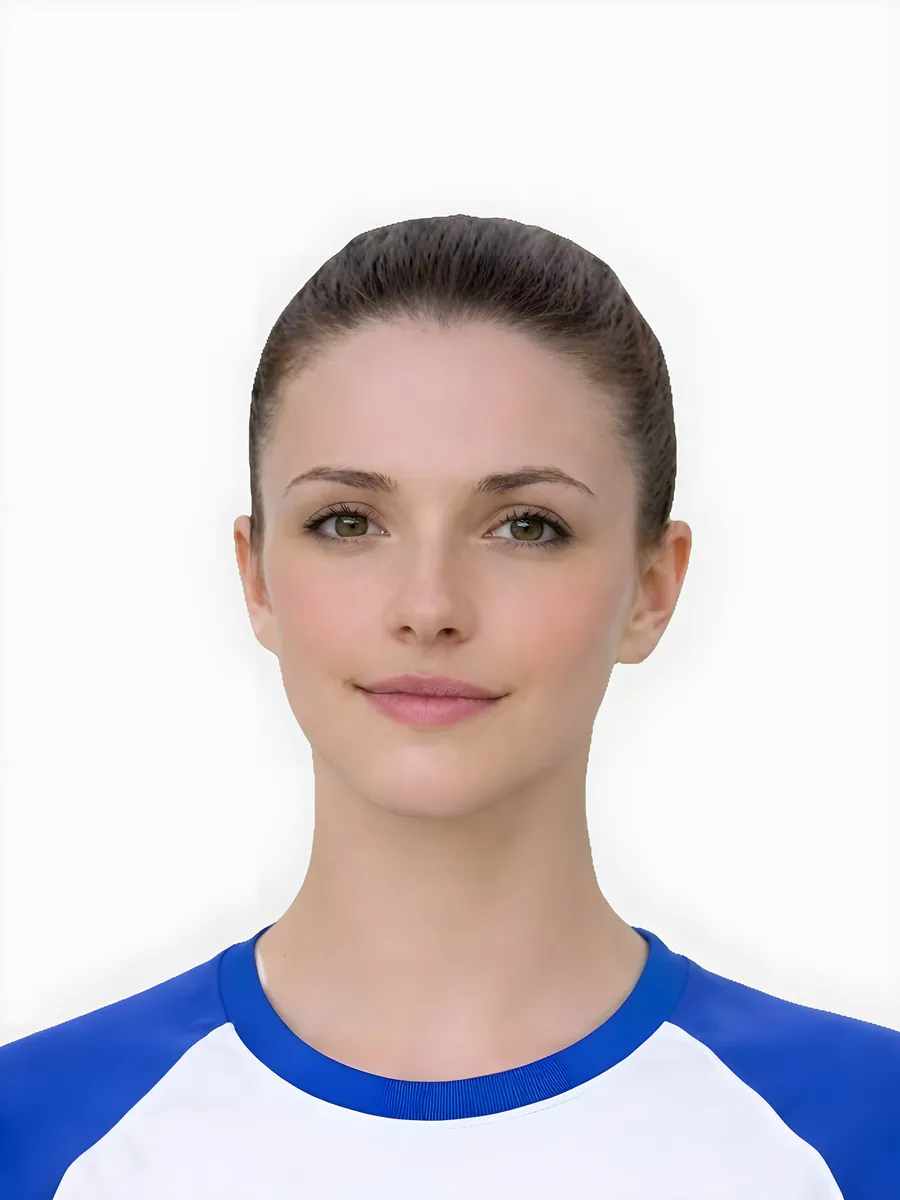
Use this short list to decide whether the current photo is worth continuing with.
Follow this sequence to keep the workflow clear and reduce avoidable mistakes.
Start by making sure the face is centered, level, and not drifting too high, low, or sideways in the frame.
The eyes, nose, mouth, and face outline should remain easy to see without shadow, blur, or obstruction.
Expression matters less than whether the face still looks natural, stable, and easy to assess in the final image.
Use the hair, glasses, or rejection pages depending on which face-related issue still looks uncertain.
These are the errors most likely to waste time or trigger a preventable rejection.
This strengthens the topical graph and keeps each page focused.
This gives clear guidance before users move into the paid path.
This improves source-photo quality before users enter checkout.
Face quality comes before choosing digital, code, or print.
Most face-related problems can be caught before checkout by checking visibility, expression, crop room, and lighting together.
Use the issue-specific pages when one visible fault is the real blocker.
Some issues are better solved by retaking the source image because the final crop cannot restore missing or unclear facial detail.
Use this guide to understand what the checker is screening for before choosing a final output route.
Face-guide pages should connect requirements to the practical service route.
Users need simple face-position checks before deciding whether to continue.
This section helps users decide when a retake is better.
Face-guide impressions are useful because they usually come from users who already have a photo but are unsure whether it is acceptable.
This prevents users from paying for a source photo that cannot be rescued by cropping alone.
The page now sends users to the safest next step based on whether they are researching rules, checking a source image, or choosing a paid output.
Face-guide intent should route users into the right specific checker rather than overloading the main requirements page.
This keeps the page useful as a hub for face-area issues.
Face-guide searches usually involve hair, glasses, expression, shadows or head angle. Treat these as capture issues before choosing an output format.
Some face problems are not worth trying to fix digitally.
Passport-Photo.co.uk is an independent service. Use these primary sources to verify the relevant passport-photo rules or information rights. Linking to them does not imply government endorsement.
A straight, front-facing photo with visible eyes, neutral expression and no obstruction is safest.
No. If important face details are hidden or blurred, retaking the source photo is safer.
Blurred facial detail, hidden eyes, heavy glare, and cropped-off face edges usually need a retake.
Yes. A correctly sized image can still fail if the face is not clearly visible.
The face should be clear, front-facing and unobstructed, with eyes and facial outline visible.
Hair should not hide the eyes, face outline, chin or other key facial features.
A front-facing image is safest. Retake if the head is turned noticeably.
Yes if you are unsure about face visibility or expression.
No. It is practical photo guidance. Follow official application instructions for final decisions.
Common problems include hidden eyes, glare, heavy shadow, hair covering the face, strong head tilt, blur and a crop that cuts off the head or chin.
No. The checker can help screen a near-ready image, but a photo with a hidden face, strong blur or missing head area usually needs retaking.
Face the camera directly, keep eyes open, use a neutral expression and keep the face outline visible.
Common issues include covered eyes, glasses glare, hair over the face, strong shadows, head tilt, blur and an expression that is not natural.
Yes. If hair, frames, glare or shadows hide key face details, retaking is safer than relying on correction.
The eyes, face outline, expression, head angle and absence of strong shadows or obstructions matter most.
Heavy edits around facial features are risky. Retaking is usually safer when eyes, expression, shadows or head angle are wrong.
Use the upload flow when you already have a source image, or keep exploring the guides if you still need to fix the setup first.