If the photo looks usable, check it before you pay
Use the free preview to screen the current image, then choose the final UK passport photo route only when the source photo is worth keeping.
A home passport photo can work if the source image is sharp, evenly lit and framed well. This guide focuses on the setup decisions that make the biggest difference before you upload.
To take a passport photo at home, use even natural light, a plain background, a front-facing pose, enough space around the head and no glasses glare or heavy shadows.
This page is both a search asset and a conversion asset because it meets users before they upload anything.
Related guidance: driving licence photo from home · iPhone passport photo guide · upload checklist · free passport photo checker · common rejection reasons · UK passport photo online · digital passport photo UK · passport photo code UK
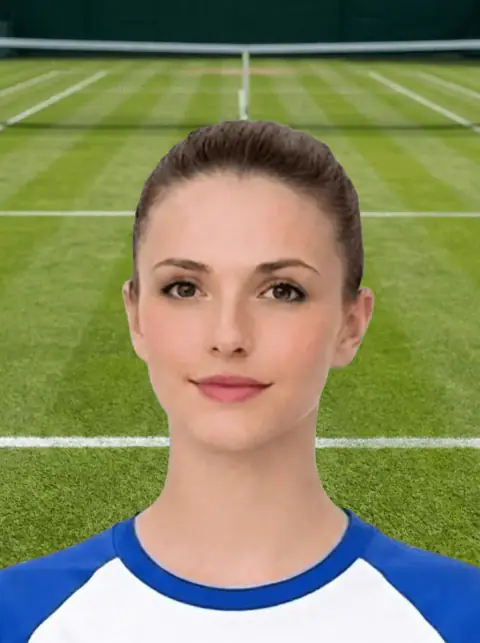
Use the free preview to screen the current image, then choose the final UK passport photo route only when the source photo is worth keeping.
Use this short list to decide whether the current photo is worth continuing with.
Follow this sequence to keep the workflow clear and reduce avoidable mistakes.
Use a plain, uncluttered background with no furniture edges, patterns, or dark objects touching the hair.
Keep the lens around eye height and avoid high-angle or low-angle selfies.
Capture a few clear images so you can reject any with blink, blur, harsh shadow, or tight framing.
Use the checker or upload checklist before choosing digital, code, or print output.
These are the errors most likely to waste time or trigger a preventable rejection.
The best home source image is usually plain and boring.
This improves user outcomes and reduces poor-fit uploads.
Use this checklist to decide whether the user needs a retake, a checker pass, or a different output route.
At-home photo searches often become commercial only after the user understands the route.
Passport-Photo.co.uk is an independent service. Use these primary sources to verify the relevant passport-photo rules or information rights. Linking to them does not imply government endorsement.
Yes, if the source photo is clear, evenly lit, has a plain background and leaves enough space around the head and shoulders for the final crop.
The biggest mistake is starting with a weak source image: too close, blurred, shadowed, compressed, or cropped before upload.
The most common problem is starting from a selfie-style image that is too close, shadowed, blurred or missing space around the head.
A selfie can distort the face and crop too tightly. A photo taken by someone else or with a timer is usually safer.
Use a clear, recent source photo, check the prepared preview, then choose digital upload, photo code or print-ready output based on your application route.
A selfie is risky if it distorts the face or crops the shoulders. Use a straight, well-lit source photo instead.
Use a plain light background with no strong shadows, patterns, furniture or objects behind the head.
Leave the full head and shoulders visible so the final passport crop can be framed safely.
Yes. Preview-first checking helps avoid paying for final output from a source photo that needs a retake.
Yes, if the phone photo is sharp, evenly lit and leaves enough space around the head. The prepared output still needs to be checked before use.
Do not make heavy manual edits. Upload the clearest original you have, then use the preview to decide whether the prepared result looks usable.
Start with a free preview or checker, then choose digital file, photo code or print-ready output based on your application route.
Common problems are close selfies, harsh shadows, cluttered backgrounds, blurred faces, hair covering the eyes, and not enough space for a compliant crop.
Poor lighting is usually the biggest problem. Side light, overhead shadows, and flash can all make an otherwise good photo difficult to use.
Check whether the source image is usable, then choose the output required by your application route: digital file, photo code or print-ready sheet.
Check whether the source photo is sharp, evenly lit and loosely framed, then use a preview-first checker before paying.
Retake first if the photo is clearly weak. A generator cannot reliably fix heavy blur, glare, tight crop or poor lighting.
No. Retake if the photo has obvious blur, heavy shadow, glare, tight crop, or blocked face areas.
Poor lighting is common: shadows, glare and blur often matter more than the camera model.
Yes, if the source image is sharp, evenly lit, unfiltered and leaves enough space around the head and shoulders for a passport-style crop.
Retake when the photo is blurred, too close, shadowed, filtered, cluttered or has hair, glasses or lighting covering important face details.
Use the upload flow when you already have a source image, or keep exploring the guides if you still need to fix the setup first.