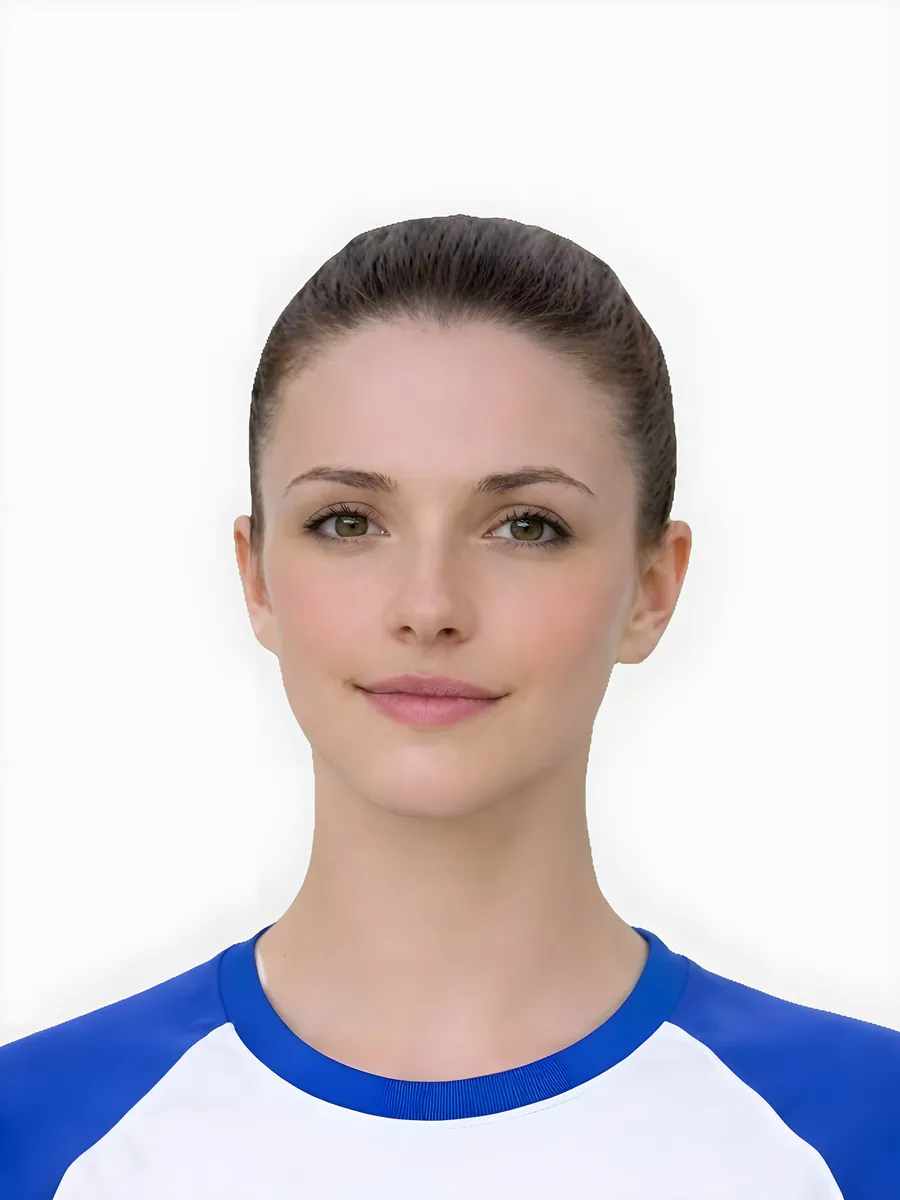
Face-visibility rule

Passport Photo Hair Requirements UK

UK passport photo hair rules are about whether the face can be assessed clearly. Loose hair, curls, and natural styles are usually fine when the eyes, face outline, and hairline remain visible and the lighting does not create heavy shadow across the face.

Direct answer

Hair in a UK passport photo should not cover the eyes, face outline or key facial features. Hair can remain visible, but it should not create face-visibility or background-contrast problems.

Independent practical guide based on the published UK photo rules around face visibility and lighting. It is not an official HM Passport Office page.

LiveAverage rating
UpdatingReview count
Verified purchaseFree preview before checkoutDigital file / photo code / print-ready
Updated 13 June 2026Reviewed by Passport-Photo.co.uk editorial teamContent review
  • Targets hair-specific passport photo queries directly
  • Separates hairstyle preference from face-visibility rules
  • Links users into rejection, requirements, and glasses guidance
  • Helps users diagnose whether hair or lighting is the real failure point
  • Explains when hair is acceptable and when a retake is safer
  • Routes borderline images into the checker before payment
You will get
  • Get digital photo
  • Get photo code
  • Get print-ready sheet
  • Check before you pay
What you get after paymentClear outcomes, clear price, no need to guess the route.

Digital Photo + Photo Code

Most Popular

£4.99
  • HD digital file (JPEG/PNG)
  • UK photo code for online applications
  • Instant download
  • Acceptance guarantee coverage
Expert review and support policyVisible review and support signals before checkout reduce hesitation on high-intent pages.
  • Expert reviewed by Passport-Photo.co.uk editorial team (Content review).
  • Support and refund policy is available before payment with a clear contact route.
  • Independent service notice is kept visible to avoid route confusion.
  • Free preview lets users validate quality before committing to a paid output.
Example of a UK digital passport photo prepared for online submission
A clear, evenly lit digital passport photo is the strongest starting point for AI-search and conversion pages.

Quick checklist

Use this short list to decide whether the current photo is worth continuing with.

  • Keep the eyes, eyebrows, and key edges of the face easy to see.
  • Check whether loose hair is creating heavy shadow on the cheeks or jawline.
  • Retake if fringe or curls still cover the eyes or main facial outline.
  • Judge the full-size preview, not a tiny phone thumbnail.
  • Use a checker when the hairstyle is fine but you are unsure about shadow, hairline, or face visibility.

Step by step

Follow this sequence to keep the workflow clear and reduce avoidable mistakes.

  1. 1

    Check the eyes first

    If the eyes or eyebrows are partly hidden, the photo already needs another look regardless of the hairstyle itself.

  2. 2

    Look for shadow from the hair

    Dark or thick hair can be fine, but it becomes a problem when it creates heavy shadow across the face.

  3. 3

    Retake if the face outline is weak

    Do not force a crop on an image where the face still blends into hair or background too much; a clearer source image is safer.

  4. 4

    Move into the matching troubleshooting page

    Use the rejection, requirements, or glasses pages depending on whether the remaining issue is hair, lighting, or overall visibility.

Common mistakes

These are the errors most likely to waste time or trigger a preventable rejection.

  • Assuming all loose hair is automatically forbidden.
  • Ignoring heavy shadow from dark hair because the face still looks visible on a small screen.
  • Trying to solve a lighting problem by blaming the hairstyle alone.
  • Keeping fringe or curls that still cross the eyes in the chosen frame.

What the rule is really testing

The key question is facial visibility, not hairstyle taste.

  • Hair can usually remain natural if the face is still clear and easy to assess.
  • The problem starts when hair blocks the eyes, face outline, or key facial detail.
  • Shadow from the hair can be just as important as the strands themselves.
  • A strong page should explain that distinction quickly.

When hair creates failure risk

Most hair-related issues are really visibility or lighting issues.

  • Fringe becomes risky when it crosses the eyes or eyebrows.
  • Loose hair can be fine until it hides the face edge or blends into the background.
  • Dark hair becomes harder to read when the lighting is weak or uneven.
  • The page should help users diagnose which of those is actually happening.
  • The final check should be made on the full-size image because hair and shadow issues are easy to miss on a phone thumbnail.

What the user should do next

The answer should lead into the right fix fast.

  • Use the hair-covering-face rejection page if the image has already failed.
  • Use the requirements page for the broader rules around lighting and visibility.
  • Use the glasses page if reflections and hair are both creating confusion.
  • Retake with cleaner face visibility when the preview still looks borderline.
  • Use the free checker if the hair is clear but you want to screen the crop, background, and face visibility before choosing a paid output.

When you probably do not need to change your hair

Many users worry about hairstyle when the actual passport-photo rule is simpler: the face must be clear.

  • You usually do not need to tie hair back if the eyes, eyebrows, cheeks, jawline, and overall face outline are still easy to see.
  • Natural curls, textured hair, short hair, long hair, and hair worn down can all be acceptable when they do not hide the face.
  • Hair volume is not normally the issue by itself; the risk is blocked facial detail, dark shadow, or a crop that cuts too close to the head.
  • If the full-size image shows a clear face and balanced lighting, use the checker before changing your hairstyle unnecessarily.

When a retake is safer

A retake is usually faster than trying to rescue a source image where hair has already hidden important detail.

  • Retake if fringe or curls cross the eyes, eyebrows, or the main face outline.
  • Retake if dark hair blends into the background so the head shape is hard to separate.
  • Retake if side lighting makes the hair cast a heavy shadow across one side of the face.
  • Retake if the crop is so tight that the hairstyle touches the edge of the image or leaves no room for final framing.
  • Use the background and blur rejection guides too, because hair problems often appear together with weak lighting or a low-quality phone image.

How this connects to the final passport photo route

This guide should not be a dead-end rules page; it should help the user decide whether to check, retake, or continue.

  • Use the checker when the hairstyle is acceptable but you still want to screen crop, background, lighting, and face visibility.
  • Use the main UK passport photo online route when the source image is strong and you are ready to preview the prepared version.
  • Use the digital passport photo route when your application accepts a direct upload file.
  • Use the photo-code route only when your application specifically asks for a photo code.

Why this page is separate from the face guide

Hair-related searches need a practical visibility answer, not another broad passport photo checklist.

  • Use this page when the specific doubt is fringe, curls, dark hair, hairline visibility, or shadow from hair.
  • Use the face guide when the question is expression, head position, face angle, or whether the whole face is visible.
  • Use the hair-covering-face rejection page if the photo has already failed or the hair clearly crosses the eyes or face outline.
  • Use the checker after the hair question is settled and the remaining decision is whether the whole image is worth preparing.

Route decision after hair checks

Once visibility is clear, users need a direct path into the right output route.

  • Use the digital route when your application accepts direct upload.
  • Use the code route only when the application explicitly requests code handoff.
  • Use print-ready when paper output is required rather than digital upload.
  • Use the free checker first if hairstyle is now clear but crop, shadow, or background still look uncertain.

Trust boundary for hair guidance

This page should reduce confusion without implying official authority.

  • It is an independent practical guide for visibility and lighting checks.
  • It does not represent GOV.UK or HM Passport Office.
  • It does not guarantee acceptance when the source image remains weak.
  • It links to privacy, quality review, and refund/remake boundaries before checkout.

Hair visibility decision after full-size review

Users need a clear keep-versus-retake decision once fringe, curls, and shadows are checked.

  • Keep the image only when eyes, eyebrows, hairline, and face outline remain clear.
  • Retake when hair blocks facial detail or creates heavy shadow over the face.
  • Use the checker for borderline cases before selecting paid output.
  • Move to digital, code, or print routes only after visibility and route intent are both clear.

Hair requirements: keep the face and head outline clear

Hair-related searches need practical guidance around visibility, not hairstyle policing.

  • Hair should not cover eyes or key facial features.
  • The head outline should remain clear enough for framing.
  • Hair should separate from the background as much as possible.
  • A retake is safer if hair hides the face or blends into a dark background.

Hair, background and crop work together

This links the hair page into the broader authority cluster.

  • Long hair can change how large the visible head appears.
  • Dark hair against a dark wall can make background cleanup riskier.
  • Loose hair across the shoulders can affect the crop edge.
  • Use the checker if visibility is clear but framing is uncertain.

Hair requirements: face visibility and head outline matter most

Hair pages should answer a real objection and route users to head-size, background and rejection diagnostics.

  • Hair should not cover the eyes or important face edges.
  • The head outline should be visible against the background.
  • Avoid heavy editing around hair because it can look unnatural.
  • Retake if hair blends into a dark or patterned background.

Hair problems that overlap with crop and background

This helps users diagnose the real failure cause.

  • Tight crop can cut off the hairline.
  • Poor background separation can make hair look missing or messy.
  • Strong shadow can hide the head outline.
  • Loose hair can cover the face even when the crop is correct.

When hair issues need a retake

This adds unique decision value instead of repeating the generic requirements page.

  • Retake if hair covers one eye or part of the face.
  • Retake if the hairline is cut off by the crop.
  • Retake if dark hair disappears into the background.
  • Retake if headwear, clips or accessories distract from the face.

Hair problems that need attention before checkout

This page can reduce rejection-risk traffic entering the paid flow too early.

  • Fringe or loose hair covers the eyes.
  • Hair blends into the background.
  • Top of hair is cut off by the source photo.
  • Hair creates heavy shadows across the face.

When to use checker or retake

Route users to the right next action.

  • Use the checker if hair is close to the eyes but not clearly blocking them.
  • Retake if hair hides the eyes or face outline.
  • Retake if the top of hair is already missing.
  • Check background and crop after hair visibility looks acceptable.

Hair decision tree for UK passport photos

Hair normally becomes a passport-photo problem when it affects identification or framing.

  • Hair can be down if the eyes and face are clear.
  • Fringe should not cover the eyes.
  • Very dark hair needs enough background contrast.
  • Retake if the hair or head outline is cut off.

Curly, textured or voluminous hair

The crop must include the real head and hair outline without making the face too small.

  • Leave extra space above and around the hair.
  • Avoid forcing a tight crop at capture.
  • Use a plain background with contrast.
  • Check the prepared preview for balance.

Hair issue: fix, retake or continue

This section helps users act instead of just reading the rule.

  • Continue if the face is clear and the crop is balanced.
  • Retake if hair hides the eyes, mouth, chin or jawline.
  • Retake if the top of the hair is cut off.
  • Use checker first if the image is borderline.

Hair checks before taking or uploading

Hair-related pages should address practical visibility issues rather than overstate rules.

  • Keep eyes and eyebrows visible where possible.
  • Avoid hair covering cheeks, jawline or face outline.
  • Check hair does not blend into a dark or busy background.
  • Retake if the crop cuts off hair or head shape.

Hair issue: fix or retake

This helps users decide if the source image can be used.

  • Fix may be possible when the face is clear and background is simple.
  • Retake when hair hides the eyes or outline of the face.
  • Retake when background contrast makes the head edge unclear.
  • Use the face guide and checker before final output.

Useful next routes

Passport photo searches often mix requirements, checker, digital upload, code, and privacy questions. These related routes help you choose the right next step without relying on a government affiliation claim.

Related pages

FAQ

Can I have my hair down in a UK passport photo?

Usually yes, as long as the hair does not hide the eyes or important edges of the face and does not create heavy shadow.

Do my ears need to show in a passport photo?

The more important test is whether the face is clear and evenly lit. Visible ears can help, but the main issue is not hiding key facial detail.

Can fringe or bangs be a problem?

Yes, if they cover the eyes, eyebrows, or create distracting shadow across the face.

Do I need to tie my hair back for a UK passport photo?

Not always. Tying hair back can help if the hair hides the face, but it is not the point of the rule. The key test is whether the eyes, face outline, and hairline remain clear.

Can curly or textured hair be used in a passport photo?

Yes. Curly, textured, or voluminous hair can be fine when the face remains visible, the crop is not too tight, and the hair does not create heavy shadow.

What if dark hair blends into the background?

Use stronger separation and more even lighting, or retake the photo so the face and hairline stay clear in the final image.

Should I check the photo before paying?

Yes, especially if the hairstyle is close to the eyes or face outline. Use the checker first so you can decide whether the current image is worth preparing or should be retaken.

Is this an official UK government rule page?

No. This is an independent guidance page focused on practical face-visibility checks before checkout.

What should I do after hair checks pass?

Run the free checker for a final keep-or-retake screen, then choose digital upload, photo code, or printable output based on your application wording.

Does hair need to be fully visible in a passport photo?

The face and head outline should be clear. Hair should not cover the eyes, important face edges or make the head hard to separate from the background.

Can hair be edited after taking the photo?

Heavy hair editing is risky. If hair covers the face or blends into the background, retaking is usually safer.

Can hair cover part of the face in a passport photo?

Hair should not hide the eyes or important facial features. If it does, retaking is usually safer.

Can cropped-off hair be fixed online?

No. If the top of the hair is missing from the source photo, the missing detail cannot be reliably recreated.

Can my hair be down in a UK passport photo?

Yes, if the face is clear and the hair does not hide the eyes, mouth, chin or face outline.

What if my hair is cut off at the top of the photo?

Retake the source image. A final passport crop needs enough room to include the full head and hair outline.

Can the checker help with hair-related issues?

It can help identify whether the prepared preview looks usable, but a source image with hidden facial detail should be retaken.

Ready to start

Prepare your photo before you submit it

Use the upload flow when you already have a source image, or keep exploring the guides if you still need to fix the setup first.