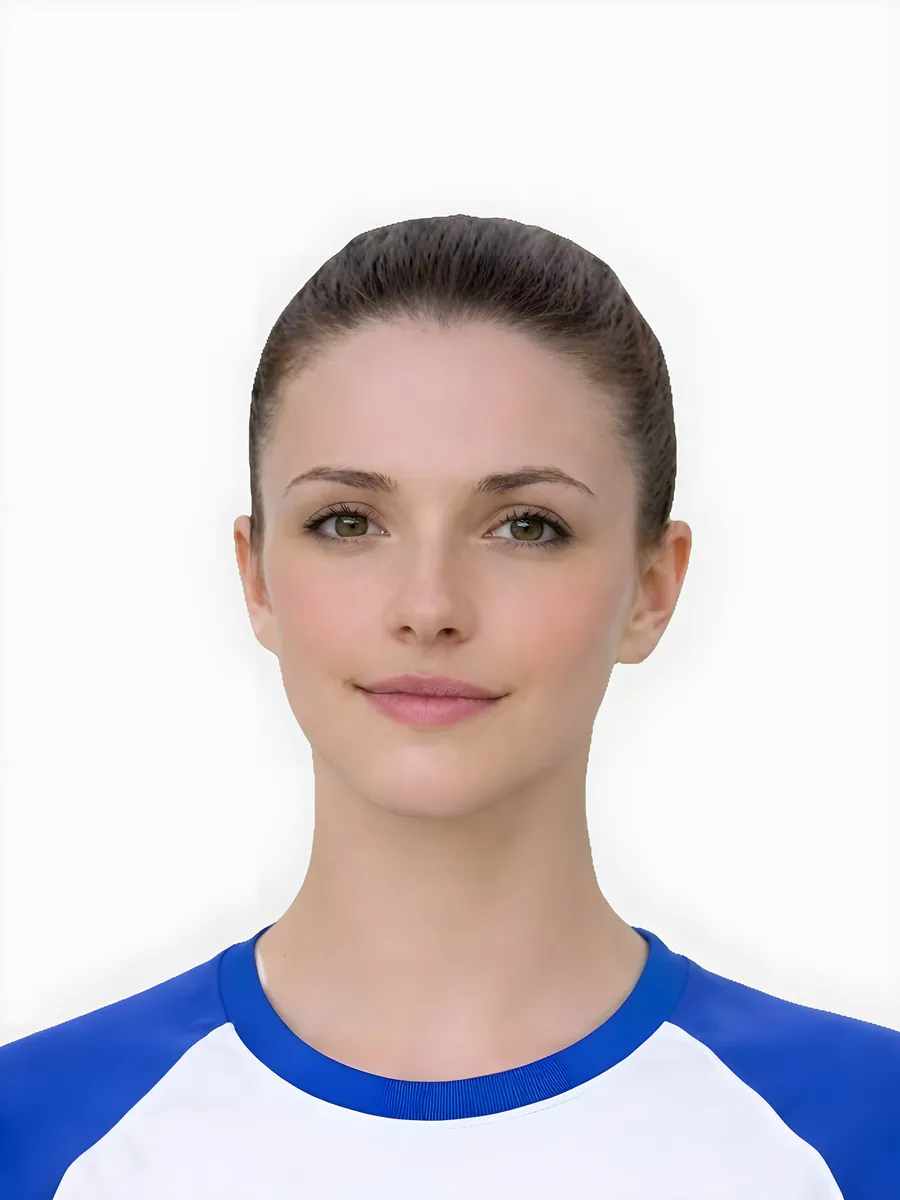
Quick checklist
Use this short list to decide whether the current photo is worth continuing with.
- Confirm whether your question is about rules, image size, digital upload, photo code, or print output.
- Use a clear source photo with enough room around the head and shoulders.
- Check the preview before checkout instead of paying for a weak source image.
- Use official GOV.UK or HM Passport Office instructions for the final application step.
Step by step
Follow this sequence to keep the workflow clear and reduce avoidable mistakes.
- 1
Identify the photo task
Decide whether you need a rule explanation, a digital file, a photo code, or a printable output.
- 2
Check the source image
Look for obvious rejection risks such as blur, strong shadows, glare, tight crop, or busy background.
- 3
Use the preview-first route
Open the checker or main online service and continue only if the prepared preview looks suitable.
- 4
Choose the correct output
Use digital, code, or print-ready guidance based on what the application route actually asks for.
Common mistakes
These are the errors most likely to waste time or trigger a preventable rejection.
- Treating a digital upload file, photo code, and printable sheet as the same output.
- Assuming size alone means the photo will be accepted.
- Uploading a close selfie that leaves no room for a compliant crop.
- Ignoring photo handling, support, and refund information before checkout.
What to check before using the final service
Existing-photo users should screen the source image before choosing an output.
- Check whether the face is sharp, front-facing, and clearly visible.
- Check for strong shadows, glasses glare, blur, and distracting background objects.
- Check whether there is enough room around the head and shoulders for a balanced crop.
- Check whether the application route needs digital upload, photo code, or print-ready output.
When to retake instead of continue
Some source-photo problems are faster to retake than to repair.
- Retake if the photo is heavily blurred or compressed.
- Retake if the head is cut off or the crop is already too tight.
- Retake if the face is partly blocked by hair, glare, hands, or objects.
- Use the checker when the image looks close but uncertain.
What a checker can and cannot tell you
Trust improves when the checker does not overclaim official approval.
- It can help screen visible photo-quality risks.
- It can help decide whether to retake or continue.
- It is not GOV.UK or HM Passport Office approval.
- It does not replace reading the application route requirements.
Best next action after checking
Send users to the correct output page after the check.
- Use digital upload for upload-first routes.
- Use photo code only when requested.
- Use print-ready output only for paper photos.
- Retake if the source photo is not usable.
Picture check: what to look at first
Picture wording should connect to the checker rather than become a duplicate of the main service page.
- Check the face is sharp, front-facing and not hidden by hair, glasses glare or shadow.
- Check the head is not cut off and has enough space for crop correction.
- Check the background is plain enough and not strongly shadowed.
- Check whether the application needs a digital file, code or printed photo.
When the picture should be retaken
This gives users a clear decision before upload.
- Retake if the picture is blurred, too close or strongly tilted.
- Retake if another person, hand, object or busy background appears near the subject.
- Retake if eyes or facial outline are hidden.
- Use the free checker when the picture is close but uncertain.
Route this search to the right next step
These long-tail pages should clarify wording, provider, route or output intent before asking the user to continue.
- Use picture-wording pages to support the same photo-preparation entity without creating duplicate intent.
- Use provider and alternative pages for comparison, not unsupported competitor claims.
- Use where-to-get pages to compare online, booth, shop, digital, code and print routes.
- Use checker, requirements and trust pages before checkout when source quality or confidence is the blocker.
What a check can and cannot decide
Trust improves when limitations are clear.
- A check can identify visible photo risks.
- A check cannot approve an official passport application.
- A check does not replace the user choosing the correct output route.
- Support and remake review pages explain service boundaries.
FAQ
Can checking a passport picture guarantee acceptance?
No. A checker can help identify visible issues, but the official application route makes the final decision.
Should I check the picture before or after choosing output?
Check the source picture first. Then choose digital, code, or print-ready output based on the application route.
Can I check my passport picture online?
Yes. You can screen visible quality risks before choosing a paid output route.
Does checking guarantee acceptance?
No. It is a practical preview/check, not official approval from GOV.UK or HM Passport Office.
What should I do if the picture fails the check?
Retake if the face is blurred, hidden, shadowed, or cut off. Continue only if the source photo is usable.
Can I check a passport picture online?
Yes. Use the checker to screen common issues such as background, head position, shadows, blur and framing before you continue.
Can I check a passport picture before paying?
Yes. Use the free checker route first, then choose the output format only if the source image looks usable.
Does a check guarantee passport acceptance?
No. It is a practical photo-quality check, not an official application decision.
Prepare your photo before you submit it
Use the upload flow when you already have a source image, or keep exploring the guides if you still need to fix the setup first.