Digital Photo + Photo Code
Most Popular
£4.99
- HD digital file (JPEG/PNG)
- UK photo code for online applications
- Instant download
- Acceptance guarantee coverage
Parents renewing a child passport are usually close to submitting and do not want generic first-time-application advice. This page focuses on the photo step for a child renewal and connects it to the right next pages quickly.
For a child passport renewal photo, choose a current clear photo that still looks like the child, with plain background, visible face and no distracting objects.
Independent parent guidance page. It is designed to simplify the child-renewal photo step without pretending every renewal route behaves the same way.
Related guidance: child passport photo · passport renewal photo guide · passport photo app UK · baby passport photo guide · free passport photo checker · photo handling and deletion · service standards
Most Popular
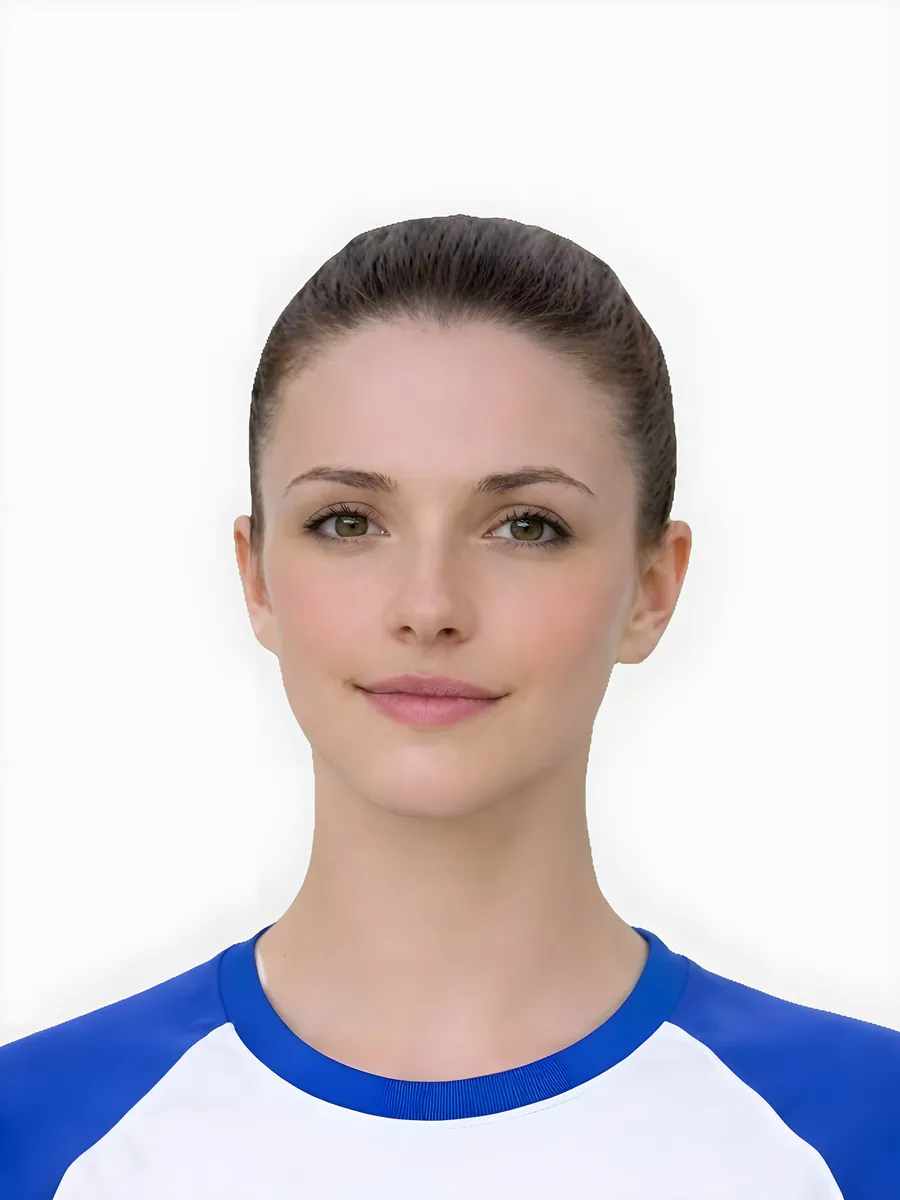
Use this short list to decide whether the current photo is worth continuing with.
Follow this sequence to keep the workflow clear and reduce avoidable mistakes.
Take several short attempts and choose the sharpest, calmest image before you do anything else.
Check face position, background, lighting, and crop so the child-renewal flow is not built on a weak image.
Use the digital route first and only branch into code or print if the actual renewal workflow needs it.
Use the child page, renewal page, or app page depending on whether the blocker is capture, route clarity, or mobile upload.
These are the errors most likely to waste time or trigger a preventable rejection.
The common delays are usually practical rather than legalistic.
A strong child-renewal page should hand the user into the next right cluster quickly.
Child renewal searches are high-trust and should explain when a new photo is safer than an old image.
Renewal-intent traffic needs clear guidance on freshness, route choice, and child-specific source quality.
This strengthens entity trust for child-identity photo queries.
Child renewal pages should be practical and parent-focused, not just duplicate adult renewal content.
This gives the page distinct value from the general child passport photo page.
Child renewal searches are parent-led and should explain how renewal photos differ from adult self-service photos.
Parents need a keep-or-retake decision before paying.
Route renewal users to the right child, checker, and output pages.
Parents searching this query usually need to know whether the photo is the blocker in a renewal, not a full passport-process tutorial.
Some child photos are too risky to process because the source image hides the details needed for identification.
The page should connect parent intent to the correct output without pretending to run the official renewal.
Child renewal pages can rank only if they answer the parent problem clearly, not as a copy of the adult passport photo page.
Use this checklist to decide whether the user needs a retake, a checker pass, or a different output route.
The page now helps parents choose between retaking, reading age-specific requirements, using the checker, or moving to the correct output route.
The page now acts as a clearer bridge into the strongest matching service, checker or guidance page.
The page now makes clear whether the user needs official application help, a better source photo, a preview check, or a specific paid output route.
This decision block turns the long-tail query into a clearer action without creating a dead-end page.
Parents searching for child passport renewal photos may assume the previous photo can be reused. The safer route is to treat it as a new photo requirement.
The photo route should match the application route rather than the fact it is a renewal.
The core photo standards are still the same, but parents usually need more practical help on movement, expression, and keeping the renewal workflow simple.
It is safer to use a recent child photo for renewal. Older images often fail on likeness, framing, or quality once reviewed at full size.
Usually yes. Start with the digital route unless the specific renewal workflow clearly needs a different output.
Movement blur, weak face position, workflow confusion, and relying on a weak or outdated source image are among the most common causes.
Use the child-photo page for capture help, the renewal page for route clarity, or the app page if you want the fastest mobile-first workflow.
Yes, if you already have a clear source image and need the photo prepared or checked. The renewal application remains separate.
Movement, hair, expression and crop can make the source image harder to use. Check before final output.
Use a recent photo if the renewal process asks for a new image. Children change quickly, so old photos can be risky.
A sharp, recent, evenly lit photo with the child facing forward and enough room for final crop.
Yes. Use the checker if the image looks close but you are not sure whether to continue.
Use a new photo if the child no longer looks like the previous one or if the renewal route asks for a recent image.
Usually it is safer to take a simple new source photo because school portraits often have unsuitable crop, lighting or background.
No. It only helps prepare photo output. The official renewal is handled through the relevant government route.
A current photo is safer because children change quickly and the photo needs to be a recent likeness.
Movement, expression, hair, shadows, and current likeness are more common issues than on adult photos.
Yes, especially if the child moved, tilted their head, or the crop looks tight.
The core photo-quality issues are similar, but parents often need extra guidance on movement, expression, support objects, background and whether the child needs a retake.
It can be. Children may move, tilt or have uneven expression, so take several photos and check the clearest one before payment.
Use baby or newborn pages for babies; use child renewal guidance when the child can sit or stand more reliably.
Users should follow official renewal instructions. If a new photo is needed, it should meet current UK passport photo standards.
Movement, expression, face position, background and crop are common risks. Check the image before paying for the final output.
Use a current clear photo that still looks like the child. Retake if the child has changed significantly or the image is weak.
Reusing an old photo can be risky if it no longer reflects the child’s current appearance or was already used before.
Usually you should use a recent photo that reflects the child’s current appearance.
The photo still needs to meet the same practical requirements for clarity, background, expression and crop.
Use the upload flow when you already have a source image, or keep exploring the guides if you still need to fix the setup first.